
| Recent years have seen strong growth in an industry known as “private equity.” TIAA manages approximately $43 billion in private equity assets. Since you (understandably!) may be too busy with work and life to be following the ins and outs of financial instruments, we’re going to do our best here to explain how private equity works why it has been disastrous for ordinary people—resulting in mass layoffs and cuts to worker benefits, while introducing new hurdles to shopping, medical care, and housing. Private equity is an alternative to publicly traded stocks. Equity, here, is a legal term meaning the value of a property or a share in a company. Typically, a small number of private equity investors pool money to take over a company they see as undervalued—but also a risky investment. Maybe it is inefficient or behind the times or saddled with debt. Private equity firms buy the business, assume management of it, restructure it, and eventually they sell it. They aim for big profits over short periods of 7-10 years. How do they increase the company’s value to investors? Here’s where the trouble starts. The most common way to make money is to cut costs, laying off workers and cutting their benefits. This is bad enough. But private equity firms also like to engage in “asset-stripping,” selling off parts of the company, including its real estate and equipment, and then requiring the company to lease them back. The investors take the money from the sales to third parties while loading up the company with debt. Every step of the way, these “vulture capitalists” charge transaction and management fees to the company. Since most of these practices bring big payouts to investors without actually adding value to the company, many of the businesses bought by private equity firms go belly up. About a fifth file for bankruptcy or go out of business altogether, including familiar names like Sears, RadioShack, J. Crew, Toys R Us, Red Lobster, and Joann Fabric and Crafts. Losing these stores is especially isolating for rural people, since these businesses often function as community hubs. And they close not because they are unprofitable or unpopular, but because drowning them in debt makes more money for investors. Investment “vampires” are sucking the lifeblood from rural communities. In some cases, private equity literally kills ordinary Americans. Across the country right now, Mary Geddry writes, “fire departments are waiting years for new trucks. Existing vehicles sit idle because a proprietary part is backordered. Emergency response times worsen, and fires spread.” What the trucks are missing, specifically, are bolts and hoses. Why the delay? “Because a private equity fund rolled up nearly every major fire truck manufacturer and created a bottleneck, deliberately. They slashed production, standardized models, patented parts, and cut the workforce to juice returns.” |
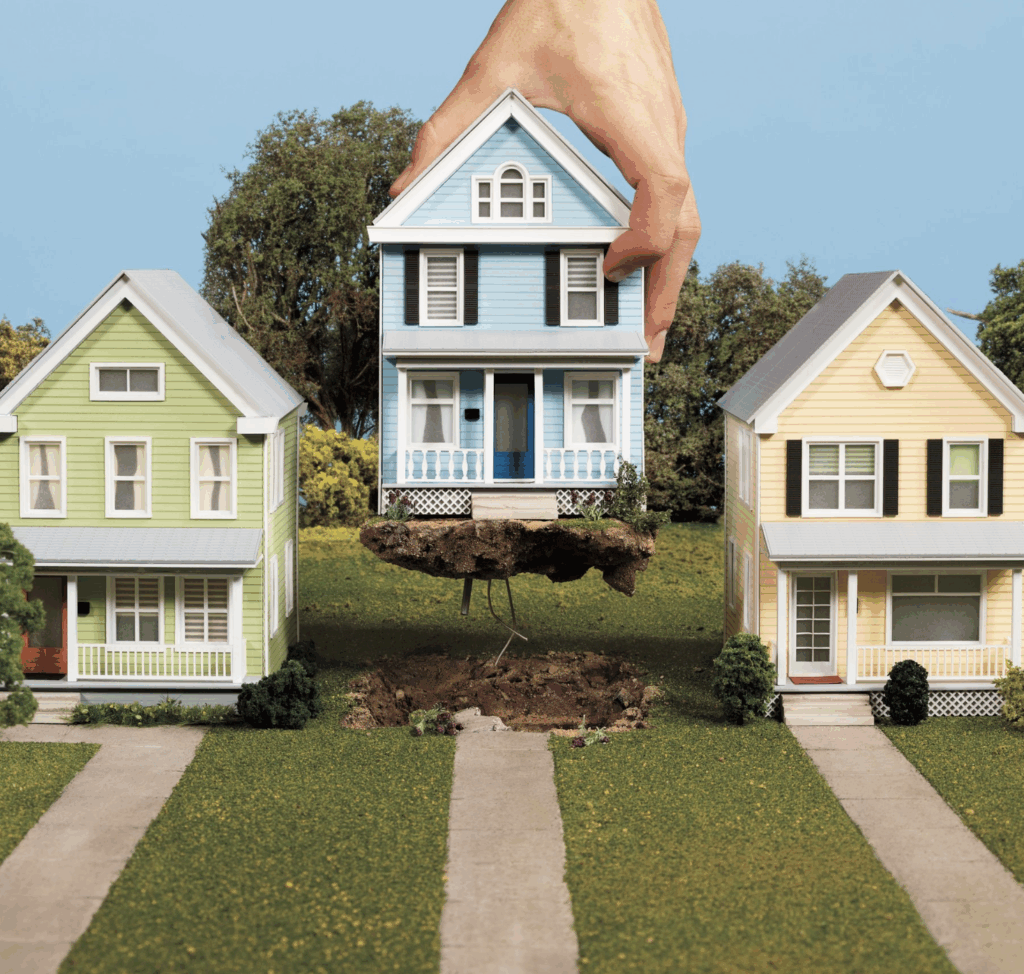
| The impacts of private equity investors on healthcare and housing are even more pervasive. The Private Equity Stakeholder Project (PESP) has found that these firms have invested over $1 trillion in healthcare in recent years. They own 8.5% of all private hospitals, as well as nursing home chains, dental offices, medical equipment companies, and prison medical services. The consequences have been deadly. In 2007, for example, the private equity firm Carlyle Group bought a nursing home chain called ManorCare for $6 billion. Carlyle sold the real estate, taking the profits and compelling ManorCare to go into debt to lease it back. To make payments on the new fees, lease, and interest on their debt, ManorCare laid off hundreds of workers and cut services, leading to rising health code violations and lower standards of patient care. Studies show that nursing homes owned by private equity firms see a 10% higher rate of death than their counterparts, as well as higher fees, and declines in residents’ mobility. By 2018, ManorCare was $7 billion in debt. The chain filed for bankruptcy. Carlyle, meanwhile, walked away with hefty returns. Private equity firms have taken advantage of the housing market, too. Today they own 2.2 million apartments, or 10% of the nation’s total, and the numbers are growing. Typically, large investors pounce on available housing with cash offers, and they waive inspections and appraisals. Ordinary families can’t compete. Once private equity has seized a substantial share of a city’s housing market and turned it into rental units, homes for sale become scarce, which drives up prices, making it nearly impossible for any low- or moderate-income family to buy a house. Private equity managers then make money on their rental units by hiking up monthly prices, adding hidden fees, and evicting tenants at aggressively high rates—including people who were supposed to be legally protected from eviction during the COVID-19 pandemic. In one sinister process known as “re-tenanting,” landlords evict renters on the flimsiest of pretexts in order to replace them with people who can afford higher rents. Private equity investors are famous for cutting costs by refusing to maintain their properties. After Capital Realty snapped up a housing complex in Washington DC, tenants complained of mice, mold, broken heating in the middle of winter, and ceilings that caved in. |
| TIAA boasts that its own private equity assets are greening the world, such as solar farms and energy efficient technology firms. But we know full well that’s not all TIAA does. In past newsletters, we have tracked them buying bankrupt coal fired power plants, planning to restart them and then sell them at a profit. They have replaced affordable housing in college towns with luxury buildings, pricing ordinary people out of the housing market. They financed a large share of a fracked gas power plant in the environmentally and financially disadvantaged community of Dover, NY. And they have purchased huge tracts of farmland and timberland in the US and Brazil, deforesting land and driving small farmers off their land. Although TIAA likes to claim a commitment to transparency, its clients know very little about where our money is going. That’s because private equity operates almost entirely behind closed doors. Unlike publicly traded companies, which are required hold shareholder meetings and publish quarterly financial statements that are open to third party scrutiny, private equity transactions are known only to the investors themselves, usually very rich individuals and institutional investors like pension funds and university endowments. As The Atlantic reports, “the secrecy in which private-equity firms operate emboldens them to act more recklessly—and makes it much harder to hold them accountable when they do.” While the volatile world of private equity investing has been limited to large firms and very rich individuals so far, its risks will soon be available to everyone. This August, Trump issued an executive order that would allow all 401(k) fund managers to include private equity and cryptocurrency in retirement portfolios. There has been no law prohibiting these investments, but in the past, 401k managers have felt that it was their duty as fiduciaries—that is, acting in the best interest of their customers—to stay away from the higher risks and higher fees associated with private equity. Now they will be encouraging you to start gambling with your future. Financial experts warn of another danger to private equity for ordinary working people, too: these investments require your money to stay invested for fixed term, say, 7-10 years. This means that a retirement fund could have tied up your investments at the time you decide to retire. You might learn, too late, that you’re not able to get access to your money for several more years. What would TIAA founder Andrew Carnegie say to all this? He hoped that TIAA “may do much for the cause of higher education and to remove a source of deep and constant anxiety to the poorest paid and yet one of the highest of all professions.” If the robber baron side of Carnegie might recognize himself in today’s predatory TIAA, the charitable side would be horrified. Rural communities, nursing home patients, firefighters, small farmers, renters, and of course teachers deserve better. |